Crises
"Organized by the Global Children's Foundation,
this event aims to support children's causes worldwide
Through its initiativesbr the Global Children's Foundation
strives to improve the lives of children"
this event aims to support children's causes worldwide
Through its initiativesbr the Global Children's Foundation
strives to improve the lives of children"
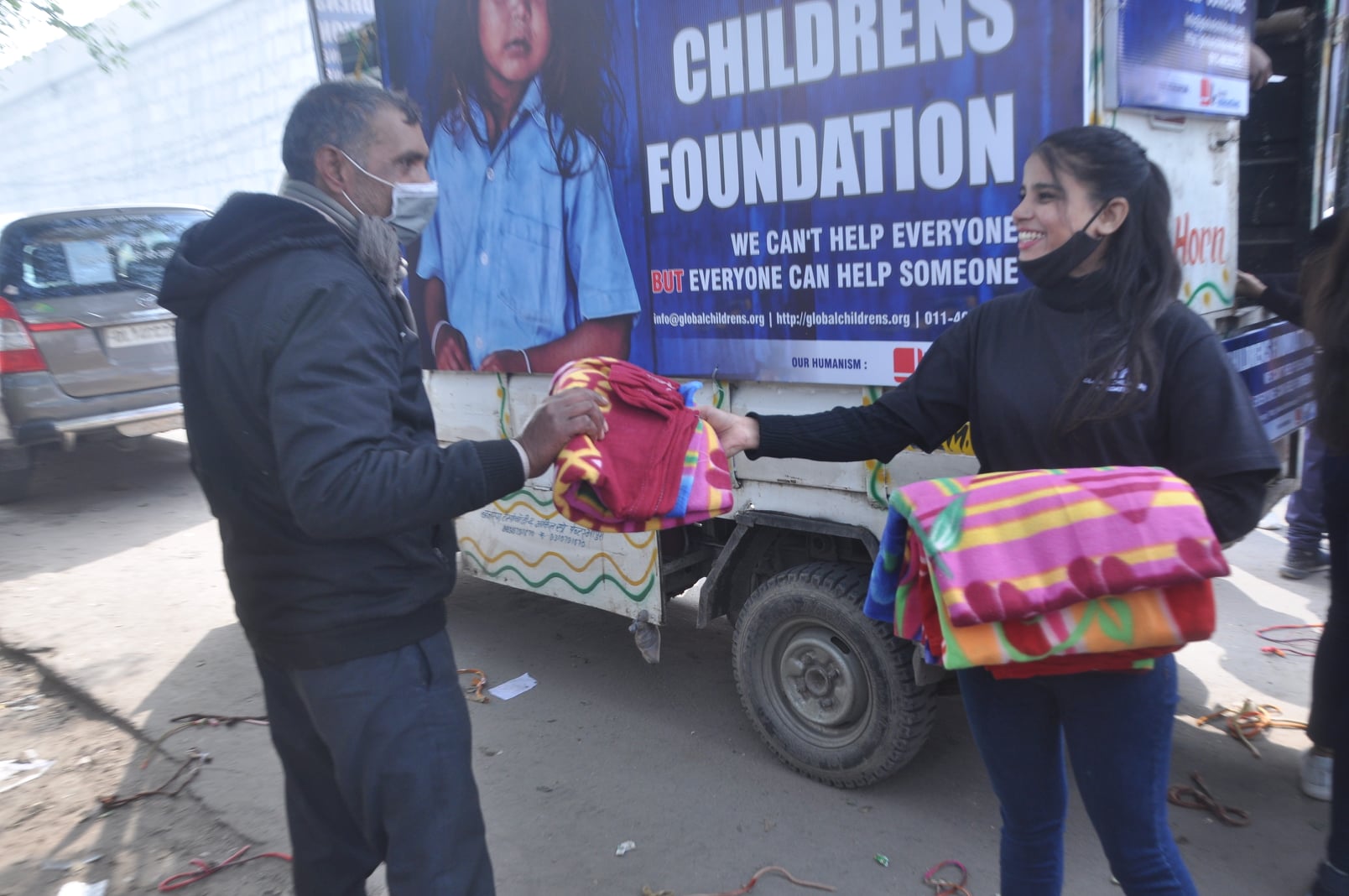
"Our 2030 objective at the Global Children's Foundation is to deliver gender-focused, localized humanitarian aid of high quality to 10% of those impacted by significant crises, thereby reaching a minimum of 50 million individuals by the target year"
In 2020, 168 million Childrens needed
food — a number that has continued to grow over
the last decade.
The global landscape is marked by a staggering 70.8 million children forcibly displaced from their homes, facing devastating consequences. Families struggle to secure shelter, adequate nutrition, and safe spaces to rebuild their lives. Shockingly, one in five children in crisis has experienced sexual
Humanitarian crises today are more complex than they have been in the past 15 years, lasting significantly longer on average. Conflict, migration, and climate change are the primary drivers, contributing to the most severe food crises globally, with eight of the worst linked to these factors. Despite these urgent needs, funding remains insufficient, with only 54% of the required resources raised so far to support all affected children .
These trends to longer, more complicated crises have a
huge impact on our ability to support the childrens in need.
We need to think about funding over the long term, and not just to fill immediate gaps. We need to think about ways to prepare people and communities to cope with shocks and respond to emergencies themselves. We need to strengthen local institutions that can respond to people on the ground. And we need to find ways to address trends like climate change and conflict that make the situation worse.